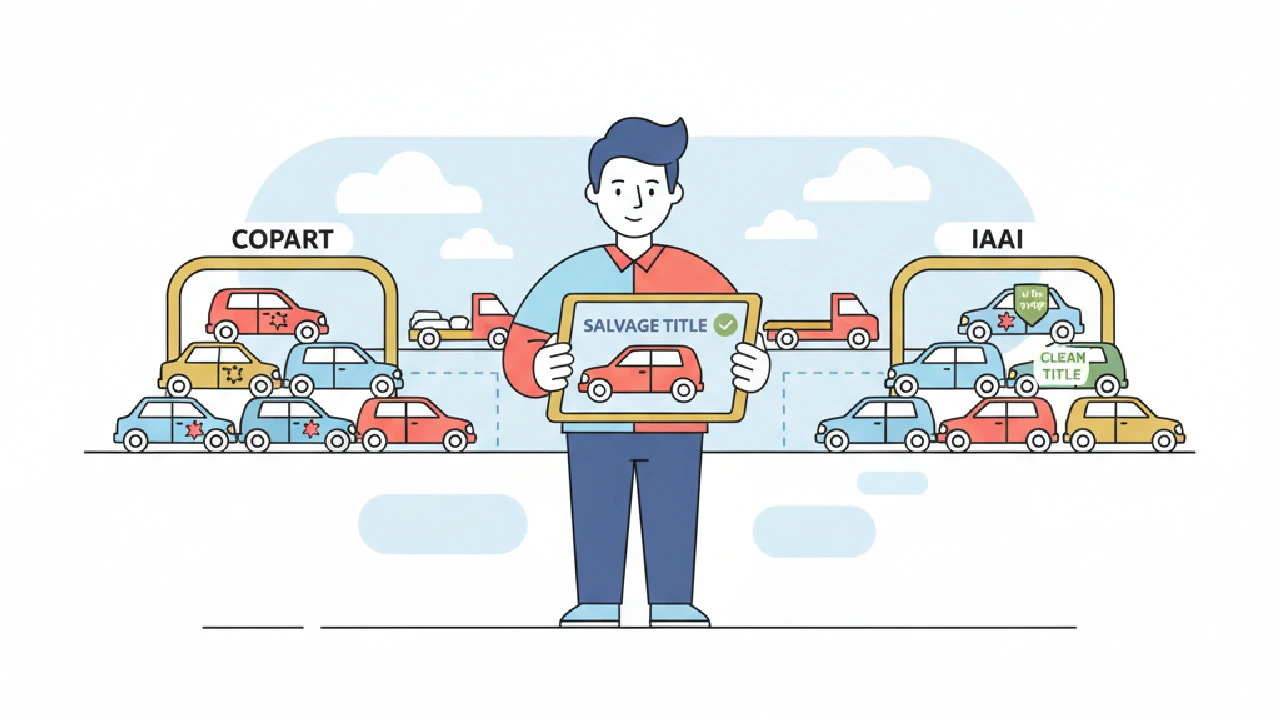
We’re talking auction day strategy. You’re hitting Copart or IAAI, looking for that next flip. This ain’t about window shopping. This is about snatching deals, understanding the traps, and making sure every car moves for a profit.
The core idea? Both Copart and IAAI are goldmines for salvage vehicles. But they’re not the same. Each has its quirks, its fee structure, and its own flavor of risk. Your job is to understand those differences cold, so you're not leaving money on the table or, worse, buying a headache.
Max Bid Math: The Only Number That Matters
Before you even glance at a car, know your walk-away price. That’s your max bid, and it’s non-negotiable. This isn't rocket science, but guys mess it up constantly.
Here’s how you get it:
- Target ARV (After-Repair Value): What will this car sell for clean-title in your local market? Check comps on Facebook Marketplace, Craigslist, or dealer sites. Remember, salvage titles typically resell at 20–40% below clean-title equivalents. Flood, fire, or heavy airbag deployment often take an even bigger bite. Be conservative here.
- Total Repair Cost: Get a solid estimate. Don't guess. If you can't inspect it in person, factor in worst-case scenarios for hidden damage. This includes parts, labor, and any specialty shop costs like frame straightening or paint. For more in-depth guidance on estimating salvage auction repair costs, refer to our dedicated guide.
- Fees: This is where Copart vs. IAAI really bites. Both platforms have buyer fees, gate fees, internet bid fees, and sometimes transfer fees. They add up fast. IAAI fees are often a bit lower, especially on the internet bid cap, which helps smaller flips. Always plug in the exact fees for your bid amount to avoid Copart buyer fee calculation errors.
- Transport: How far is the yard? Every mile costs. Factor in towing to your shop and then potentially to the buyer. Short transport radius is always king for profitability.
- Title Processing: Time is money. Factor in any state fees for rebuilt title inspection and application.
- Desired Profit: What’s your minimum take? Don
Doing this math manually for every single vehicle you look at is a grind. And when you’re sifting through dozens, if not hundreds, of listings, it’s easy to make a mistake or miss a crucial detail. This is where a tool that understands the salvage market becomes invaluable. An intelligent max bid calculator can automate these complex calculations, factoring in market values, repair costs, transport, and your desired profit margin to give you an accurate walk-away price every single time. It's the difference between guessing and knowing your limit.
Decoding Risk: Beyond What Meets the Eye
Never bid on a vehicle you haven't thoroughly researched. Both Copart and IAAI provide information, but it's often incomplete or requires deep understanding to interpret. You need to identify red flags that impact profitability and title potential.
Sales History: The Silent Killer
One of the biggest mistakes flippers make is ignoring sales history. A car that has been "Sold" multiple times and is now "Active" again at auction is a massive red flag. This often indicates hidden damage, title problems, or repair costs that exceeded someone else's budget. It's someone else's abandoned project, and you don't want it to become yours. Always check for previous auction attempts and their outcomes. An automated system that retrieves sales history and flags multiple "Sold" entries can save you from a major financial hit by clearly identifying these negative patterns and assigning a higher risk level.
Title Type: Not All Salvage Is Equal
While most vehicles on these platforms will have a salvage title, variations dramatically impact resale value and repair requirements. A clean title fetches the most, but is rare at these auctions. Salvage is neutral, but flood, junk/parts only, or theft/recovery titles carry significant warnings. Flood titles can lead to persistent electrical issues, while junk titles often mean the vehicle can never be legally registered for road use again in its current form. Knowing the exact title type and its implications for your state's titling process is critical for planning repairs and estimating market value. A dedicated risk calculation feature that weights these title types—along with other factors like "Runs & Drives" status and seller type—provides an objective risk score to guide your bidding decisions.
Location, Location, Location: Transport and Market Value
The vehicle's location is crucial for two reasons: transport costs and local market value. A car located across the country might seem cheap, but hefty transport fees can easily wipe out your profit. Always calculate the transport cost from the auction yard to your repair facility. Secondly, market values for specific makes and models can vary significantly by region. What sells for top dollar in one state might sit for months in another. Ensure your market value estimates are based on comparable listings in your target resale area, not just national averages. Tools that use your specified zip code to estimate clean market value and calculate transport costs automatically streamline this part of the analysis, providing a realistic "Adjusted Market Value" for your specific location and destination.
Key takeaways
- Identify your maximum bid accurately by factoring in all costs—including sometimes-hidden auction fees and transport—plus your target profit.
- Thoroughly research a vehicle's sales history and understand its title type to avoid hidden pitfalls; multiple "Sold" entries are a major red flag.
- Leverage tools like an intelligent auction analysis platform to automate complex calculations and risk assessments, saving time and preventing costly errors.
- Always base market value estimates on comparable listings in your local resale area and calculate transport costs from the auction location to your facility.
- Don't just react to the bid clock; rely on data and your predetermined limits to ensure profitable flips.
FAQ
What is the most critical step before bidding at a salvage auction like Copart or IAAI?
The most critical step is accurately calculating your maximum bid. This involves knowing the car's potential resale value in your market, estimating all repair costs, factoring in auction fees, transport expenses, and your desired profit margin. Without a solid maximum bid, you risk overpaying or buying an unprofitable project. Using an intelligent max bid calculator can help ensure accuracy and consistency.
How do Copart and IAAI fees differ, and why should I care?
While both Copart and IAAI have various fees (buyer, gate, internet bid, etc.), their fee structures can differ, especially regarding internet bid caps. IAAI fees are often a bit lower, particularly beneficial for smaller flips. Understanding these differences and accurately accounting for them in your pre-bid calculations is crucial because fees can significantly impact your total cost and, ultimately, your profit margin on a vehicle.
How can I identify a "red flag" vehicle, and what should I do if I find one?
A major red flag is a vehicle with multiple "Sold" entries in its sales history that is now "Active" again, indicating someone else likely abandoned the project due to unforeseen issues or costs. Other red flags include problematic title types like "Junk/Parts Only" or "Flood." If you identify such a vehicle, it's generally best to avoid it, as these often lead to higher repair costs, title headaches, or lower resale values. An intelligent auction analysis platform typically calculates a risk level based on these factors, helping you make informed decisions.
Why is a vehicle's location so important when flipping?
A vehicle's location is critical because it directly impacts transport costs to your repair facility and its market resale value. Transporting a vehicle long distances can quickly erase potential profits. Additionally, market demand and pricing for specific vehicles vary regionally, so your estimated clean market value should be based on comparable listings in your target resale area. Tools that factor in your zipcode and destination can provide accurate regional market value estimates and transport cost calculations.
What unique features does AutoFlip Pro offer that help with auction decisions for flippers?
AutoFlip Pro provides several key features to help flippers with auction decisions, including automatic vehicle data retrieval, a comprehensive risk level calculation based on factors like sales history and title type, and an intelligent max bid calculator. This calculator takes into account clean market value estimates, repair costs, transport expenses, auction fees, and your target profit margin to determine your optimal bidding limit. It helps flippers avoid manual errors and make data-driven decisions to secure profitable vehicles. You can analyze a Copart lot free before you bid to see how it works.